June 9, 2026
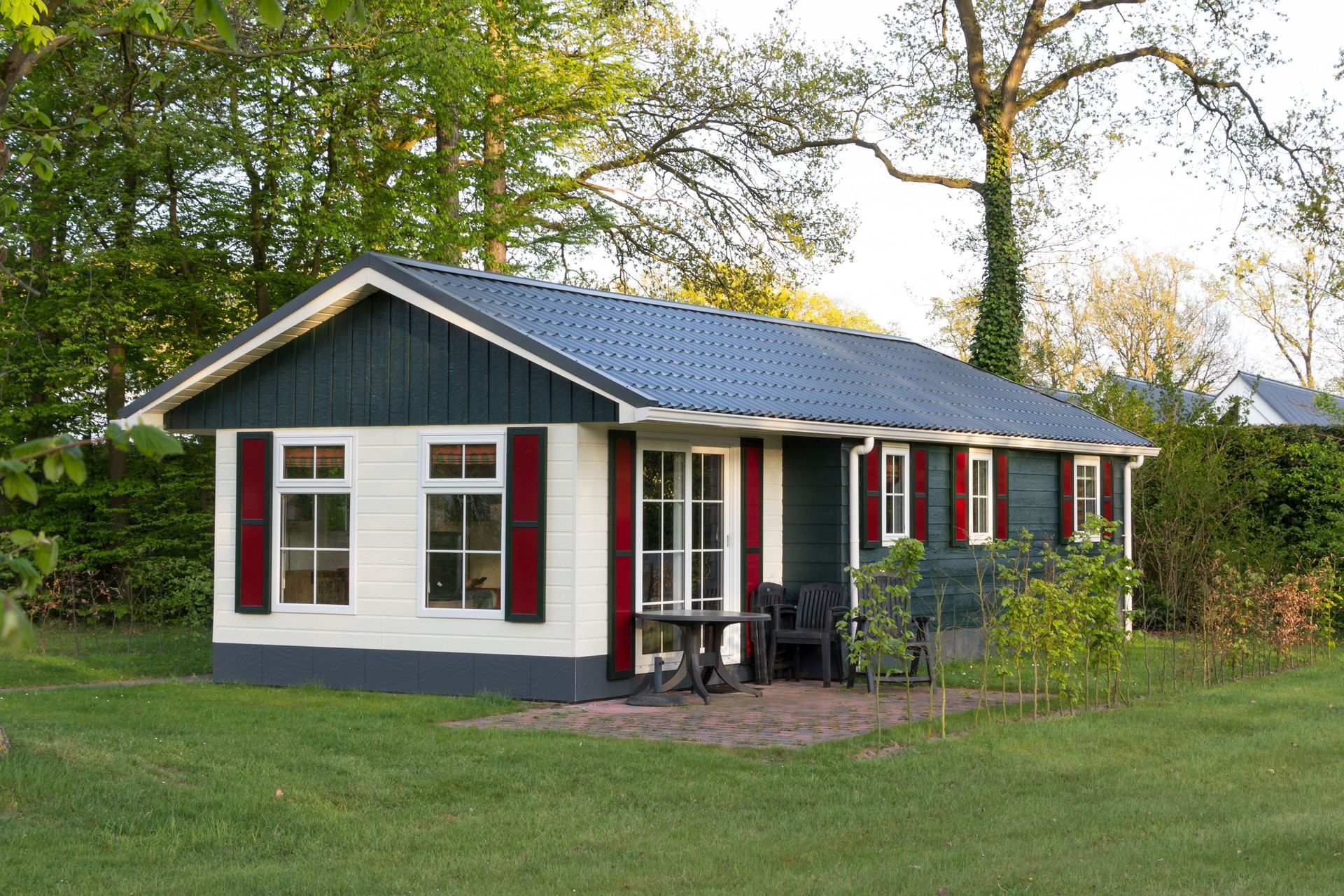
The tiny home movement has gained significant momentum over the last several years, driven by a dual pursuit of minimalism and sustainability. With an increasing number of people gravitating towards smaller, more efficient living spaces, tiny homes offer a tangible solution to living more sustainably in the Southwest Missouri area. These compact homes are not merely a short-term trend; they signify a profound shift in how people want to live in harmony with the environment. In particular, custom tiny home builders are pioneering the integration of solar energy, advanced insulation, and green living principles into durable handcrafted buildings. We construct these unique spaces with an emphasis on quality, integrity, and durability to ensure they last for generations.
Evaluate Economic Drivers and Market Demand
Economically, smaller structures offer a highly cost-effective alternative to traditional, stick-built residential housing. With the escalating prices of real estate and home ownership becoming increasingly unattainable for many, compact layouts provide a more accessible entry point to property ownership. The lower cost of materials and construction translates to affordable housing options without sacrificing quality, comfort, or style. Furthermore, reduced utility expenses and maintenance fees significantly decrease the cost of living over time. According to research from Mordor Intelligence, the global market for tiny homes reached an estimated valuation of USD 1.36 billion in 2025. This same dataset indicated that residential-household applications accounted for approximately 74% of that total, which demonstrates that individuals and families generate the vast majority of demand.
Despite their advantages, small structures face obstacles, particularly in the realm of public perception and local logistics. Misconceptions about limited space and legal compliance can deter potential buyers who are looking for permanent solutions. Many assume tiny homes lack essential amenities and comfort, failing to recognize the intense customization potential offered by modern design. Additionally, navigating zoning laws and finding appropriate land to place these structures can be challenging for new owners. Nevertheless, expert tiny home builders are working to dispel these myths and address legal concerns to broaden the appeal and feasibility of alternative housing. We believe that education and superior craftsmanship are the keys to overcoming these industry hurdles.
Navigate Regulatory and Zoning Frameworks
Regulatory and zoning issues present significant hurdles for widespread adoption across different municipalities. Many regions lack clear guidelines for small structure placement, leading to legal gray areas for eager buyers. Zoning laws may restrict where these buildings can be located, complicating the process for potential homeowners. However, these barriers have prompted discussions and policy reviews in some areas, gradually fostering helpful regulatory adaptations. As more municipalities recognize the potential benefits of compact housing, progressive zoning laws will hopefully facilitate their integration into urban and rural landscapes. Our team helps clients understand these local regulations to ensure a smooth placement process.
Implement Solar Energy Systems Efficiently
Installing solar panels on compact structures requires careful planning, considering both spatial and energy constraints. Orientation and angle are crucial to maximizing solar exposure and efficiency, necessitating in-depth site assessments before installation begins. Often, smaller buildings have limited roof space, requiring innovative solutions such as high-efficiency adjustable panels or integrated solar tiles. Additionally, securing panels against high winds and severe weather is critical, calling for durable mounts and heavy-duty fittings. The installation must be tailored to the homeowner's patterns, optimizing energy capture based on daily and seasonal sun paths. Expert tiny home builders carefully calculate these loads to maximize system efficiency.
Optimize Energy Storage and Battery Solutions
Battery storage solutions enhance the reliability and flexibility of solar-powered alternative homes. Batteries store excess energy generated during the day for use during the night or inclement weather, ensuring a constant power supply. Popular options include lithium-ion and advanced lead-acid batteries, each offering distinct benefits and drawbacks in terms of cost, lifespan, and efficiency. The integration of battery systems is crucial for off-grid setups, providing true energy security and lifestyle autonomy. Advances in battery technology continue to improve energy capacity and lifespan, making solar power more accessible and dependable for inhabitants.
Numerous case studies exemplify the successful integration of solar power into alternative home designs across the country. For instance, a small community in Colorado utilizes solar panels in conjunction with shared battery storage to ensure sustainable living for its residents. Another example is a mobile structure in California that uses flexible solar panels, ensuring energy independence while moving between locations. These projects not only demonstrate the feasibility of solar integration but also highlight innovative approaches to modern energy challenges. By showcasing practical implementation, these case studies reinforce the potential of solar power to revolutionize sustainable living. Professional tiny home builders use these real-world examples to refine their own construction methodologies.
Upgrade Insulation for Year-Round Comfort
Insulation is a critical component in maintaining interior comfort and overall energy efficiency in smaller structures. Due to their compact size, small buildings can be particularly susceptible to extreme outdoor temperature fluctuations, making effective insulation crucial. Proper insulation ensures that the interior retains heat in winter and remains cool during hot summer months, reducing overall energy demands. Additionally, insulation plays a vital role in noise reduction, enhancing the living experience within close quarters.
Eco-friendly insulation materials are increasingly adopted by forward-thinking tiny home builders to enhance sustainability. Common choices include cellulose, natural wool, and recycled denim, each offering excellent thermal properties while minimizing environmental impact. These materials are often sourced from renewable or recycled content, aligning with the overall sustainability ethos of the movement. Closed-cell spray foam and rigid foam panels are also utilized for their superior insulation capabilities and ease of installation.
Overcome Structural Insulation Challenges
Insulating a small structure presents unique challenges, particularly in maximizing efficiency within a highly limited wall cavity. Ensuring a tight insulation envelope is vital, requiring meticulous sealing around doors, windows, and other common entry points. Adapting standard insulation techniques to the varying custom designs of small homes can also prove complex. However, experienced tiny home builders tackle these challenges with innovative solutions, employing tailored insulation strategies that accommodate the specific architecture of each building. Through careful planning and execution, they ensure that alternative homes achieve optimal energy performance without sacrificing precious interior living space.
Seasonal insulation strategies can further enhance the energy efficiency of compact structures throughout the year. In colder climates, owners may employ additional insulated skirting or thermal blankets to complement existing wall insulation during the winter months. Conversely, reflective radiant barriers and ventilated roofing spaces can help mitigate intense heat gain during the summer. Rotating insulated window coverings according to the season is another practical solution, maximizing or minimizing solar heat gain as needed.
Maximize Interior Space and Resource Conservation
Effective insulation significantly impacts the energy efficiency and comfort of compact alternative dwellings. By reducing heat transfer, well-insulated structures demand less from heating and cooling systems, leading to substantial energy savings. In turn, these savings contribute to lower monthly living expenses and a reduced environmental footprint. Moreover, advanced insulation enhances daily comfort by maintaining a stable indoor temperature, regardless of external weather conditions. This balance of efficiency and comfort is a fundamental aspect of the movement, proving that sustainable living need not compromise quality of life.
Sustainable materials are central to the design and construction of alternative homes, aligning with their eco-friendly mission. Experienced tiny home builders increasingly opt for locally sourced timber, sustainable bamboo, and recycled steel to reduce the environmental impact associated with transportation. These materials are not only sustainable but also incredibly durable, offering longevity alongside ecological benefits. By prioritizing sustainability in material selection, fabricators craft buildings that are environmentally responsible and resilient against the challenges of time. This commitment to eco-friendly materials underscores the growing integration of green principles in modern construction practices.
As we reflect on the advances in alternative home construction, it becomes clear that these structures offer more than just a minimalist lifestyle. They embody a deep commitment to green living, resource conservation, and economic independence. For those looking to transition to this lifestyle in Southwest Missouri, working with experienced professionals is paramount. Prime Portable Building LLC brings family-owned values, Amish-built craftsmanship, and a 5-year warranty on paint and craftsmanship to every project. Whether you need portable buildings, cabins, garages, greenhouses, lofted barns, metal carports, utility sheds, or custom tiny homes, our locally owned company delivers unmatched quality. Contact us today to explore our durable, handcrafted buildings and start planning your next energy-efficient space.